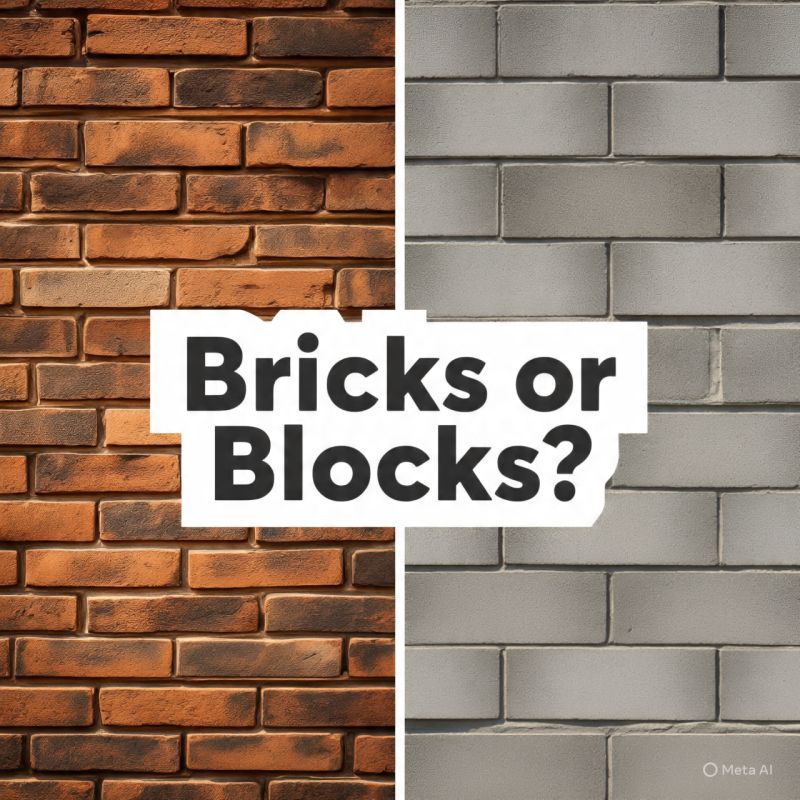
BRICKS VS. BLOCKS: MAKING THE RIGHT CHOICE FOR YOUR WALL CONSTRUCTION
Let me do this a gain because someone asked again. If you’ve been wondering whether to use burnt clay bricks or cement sand blocks for your residential project, you’re not alone. I am not giving you a sided answer today but i will give you the insight from my practical experience. Both materials are widely used in wall construction, and each comes with its own set of advantages. To help you make an informed decision, let’s break down the key factors to consider: 1. Cost Considerations Cement sand blocks generally come at a higher purchase price compared to locally made burnt clay bricks. This can slightly increase your overall construction budget. However, blocks offer a cost-saving advantage during plastering. Thanks to their smoother surfaces, they require less mortar, which means reduced cement and sand usage. 2. Strength and Structural Integrity Blocks typically offer higher compressive strength than bricks, especially when manufactured to specific engineering standards. Their strength can be tailored to meet structural demands. Bricks, on the other hand, are made from natural soil and fired in kilns, which limits their strength range. While still reliable, they may not match the engineered strength of blocks. 3. Durability and Environmental Resistance Both materials are durable, but blocks can be vulnerable to sulfate attacks—chemical reactions caused by salts in the soil that lead to surface deterioration and loss of strength over time. For this reason, it’s advisable to use burnt clay bricks for plinth walls (foundations), where soil contact is high, and reserve blocks for the superstructure. There are mitigation strategies available, but this approach offers a practical balance. 4. Design Flexibility When your project includes curved walls, arches, or other intricate designs, bricks offer greater flexibility due to their smaller size and ease of handling. They allow for more detailed craftsmanship in areas where precision is key. 5. Overall Performance Cement sand blocks enable faster construction, cleaner finishes, and stronger walls—ideal for projects where time and structural performance are priorities. Bricks, meanwhile, are more affordable, locally available, and adaptable to various design needs. Final Thoughts Choosing between bricks and blocks isn’t about which is better overall, it’s about what’s best for your specific project. Consider your budget, design, structural needs, and environmental conditions. With this knowledge, you’re better equipped to make a choice that balances cost, durability, and aesthetics. Alegi gum maber!
Recent Articles
BRICKS VS. BLOCKS: MAKING THE RIGHT CHOICE FOR YOUR WALL CONSTRUCTION
Let me do this a gain because someone asked again. If you’ve been wondering whether to use burnt clay bricks or cement sand blocks for your residential project, you’re not alone. I am not giving you a sided answer today but i will give you the insight from my practical experience. Both materials are widely used in wall construction, and each comes with its own set of advantages. To help you make an informed decision, let’s break down the key factors to consider: 1. Cost Considerations Cement sand blocks generally come at a higher purchase price compared to locally made burnt clay bricks. This can slightly increase your overall construction budget. However, blocks offer a cost-saving advantage during plastering. Thanks to their smoother surfaces, they require less mortar, which means reduced cement and sand usage. 2. Strength and Structural Integrity Blocks typically offer higher compressive strength than bricks, especially when manufactured to specific engineering standards. Their strength can be tailored to meet structural demands. Bricks, on the other hand, are made from natural soil and fired in kilns, which limits their strength range. While still reliable, they may not match the engineered strength of blocks. 3. Durability and Environmental Resistance Both materials are durable, but blocks can be vulnerable to sulfate attacks—chemical reactions caused by salts in the soil that lead to surface deterioration and loss of strength over time. For this reason, it’s advisable to use burnt clay bricks for plinth walls (foundations), where soil contact is high, and reserve blocks for the superstructure. There are mitigation strategies available, but this approach offers a practical balance. 4. Design Flexibility When your project includes curved walls, arches, or other intricate designs, bricks offer greater flexibility due to their smaller size and ease of handling. They allow for more detailed craftsmanship in areas where precision is key. 5. Overall Performance Cement sand blocks enable faster construction, cleaner finishes, and stronger walls—ideal for projects where time and structural performance are priorities. Bricks, meanwhile, are more affordable, locally available, and adaptable to various design needs. Final Thoughts Choosing between bricks and blocks isn’t about which is better overall, it’s about what’s best for your specific project. Consider your budget, design, structural needs, and environmental conditions. With this knowledge, you’re better equipped to make a choice that balances cost, durability, and aesthetics. Alegi gum maber!
May 18 2026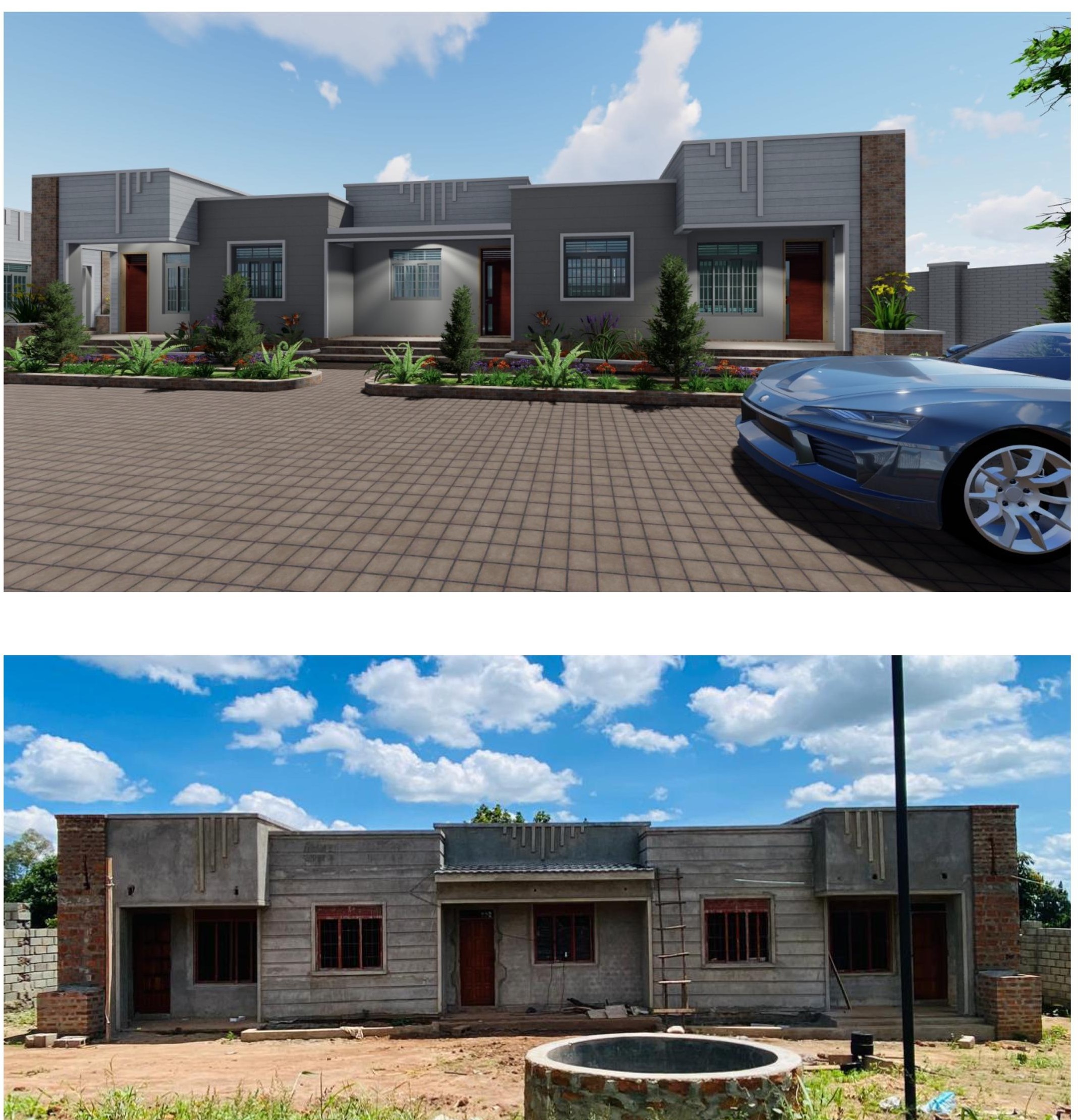
INVOLVING DINERS WHILE ADDING THE FINAL SPICES IN THE SOUP: Why Clients Should Be Part of the Final Stage in Construction Projects
What’s the spirit behind involving clients at the final stage of a project? In construction, just like in cooking, the final touches matter. You wouldn’t serve a soup without tasting it or better yet, letting the diners suggest the final spices.Many clients, especially those without technical backgrounds, find it hard to visualize a building from drawings or early site visits. But when the structure is nearly complete with walls up, finishes in place, everything starts to make sense. This is when they truly see what they’re getting, and that clarity can be transformative.Waiting until handover to hear a client’s concerns can be risky. By involving them earlier, you open the door for timely feedback. Small adjustments can be made before final finishes are locked in, saving time, avoiding rework, and preventing delays that could have been easily avoided.When clients are part of the final steps, they feel a sense of ownership. They’re not just receiving a building; they’re part of its completion. This emotional connection leads to smoother handovers, better long-term care of the facility, and a stronger sense of pride in the outcome.Let’s face it! construction jargon and technical drawings aren’t always client-friendly. But walking through a nearly finished space makes everything click. Clients can better understand how the design meets their needs and suggest tweaks that improve usability and comfort.This final-stage involvement also strengthens relationships. It shows respect and says, “Your opinion matters, even at the end.” That kind of engagement builds trust and sets the stage for future collaborations.Just like adding the final spices to a soup with the diners watching, involving clients at the final stage of construction is a recipe for success. It’s about clarity, collaboration, and care. It ensures the project is not just complete, but truly ready to serve.Let’s build with people, not just for them.
May 18 2026